How to check the VIN of an imported car before buying it in Benin
Where to find the VIN, how to match it to the documents and check the history: 4 simple steps before buying.
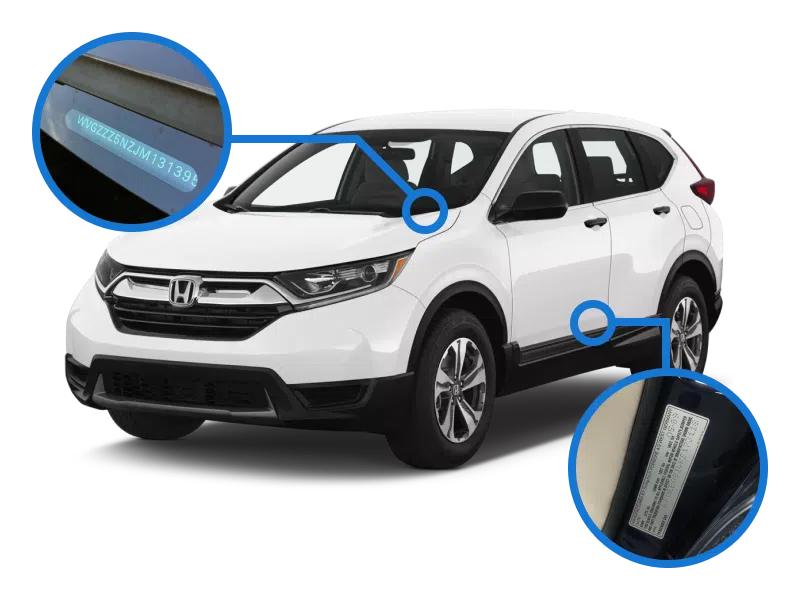
The vehicle identification number (VIN) is your car’s identity number. It helps you match the car to its documents and look up its history. Here are 4 checks to make before buying.
1. Find the number on the car
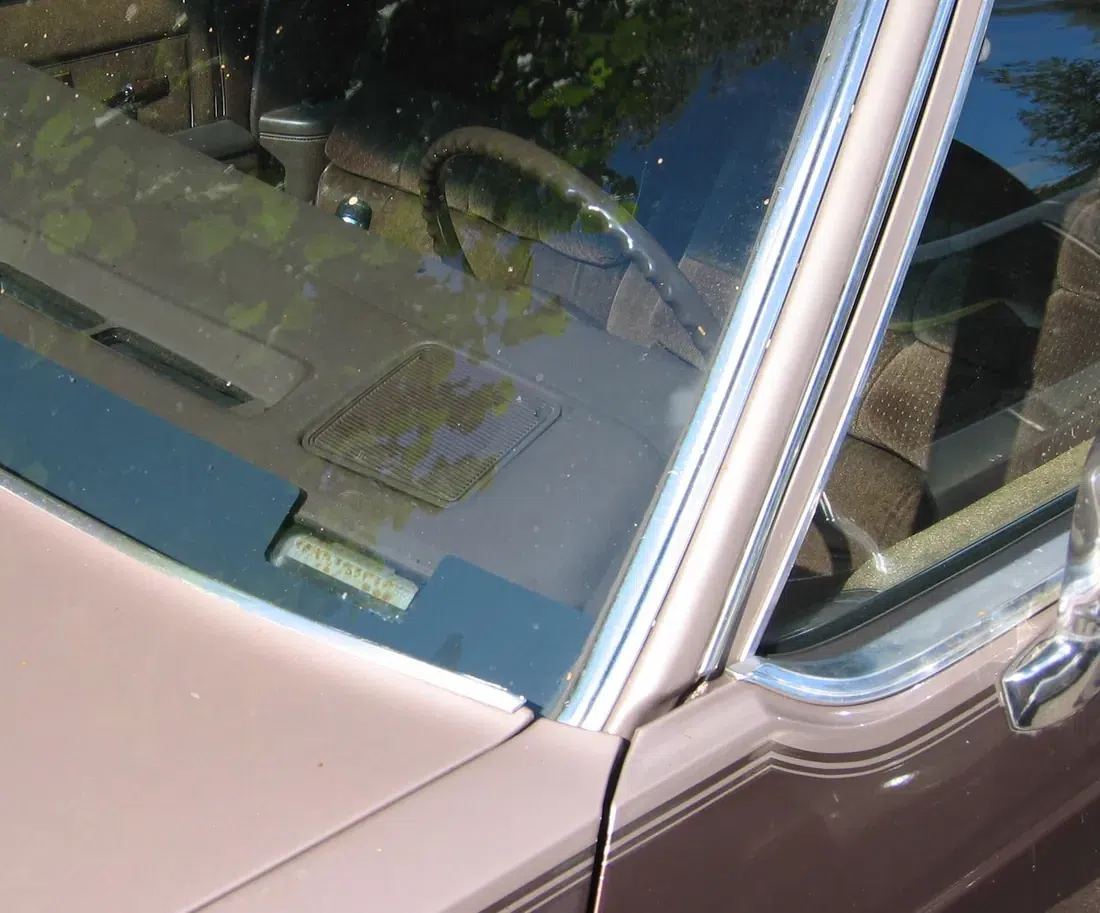
Look at the bottom of the windshield on the driver’s side, then at the label inside the driver’s door frame. The location can vary by model.
Take a clear photo of the number. Modern cars built for the US or Canadian markets normally have 17 letters and numbers.
2. Match it to the documents
Compare the number on the car with the foreign registration or title, invoice and available import documents.
Check every character, not just the last few digits.
- The numbers should match.
- A loose, scratched or replaced plate needs an explanation.
- If a number differs, do not buy until the difference has been explained and checked.
See our guide to documents to check.
3. Look up its history
Ask the seller which country the car came from.
United States: use the official NHTSA decoder (opens in a new tab) to compare vehicle details. Check NICB VINCheck (opens in a new tab) for some theft or total-loss records. For a fuller report, choose an approved NMVTIS provider (opens in a new tab) .
Canada: search the Canadian police database (opens in a new tab) for a theft report and ask for records from the province of origin.
Another country: ask the manufacturer or its representative which tools to use. A US tool may not recognise a car built for another market.
In a report, focus on accidents, flooding and past mileage readings. If the current mileage is lower than an older reading, ask why. A report with no warnings does not guarantee a damage-free car.
4. Have the car inspected
An independent mechanic should check the car’s actual condition, even if its history looks good. Ask them to examine the bodywork, engine, safety equipment and signs of water damage.
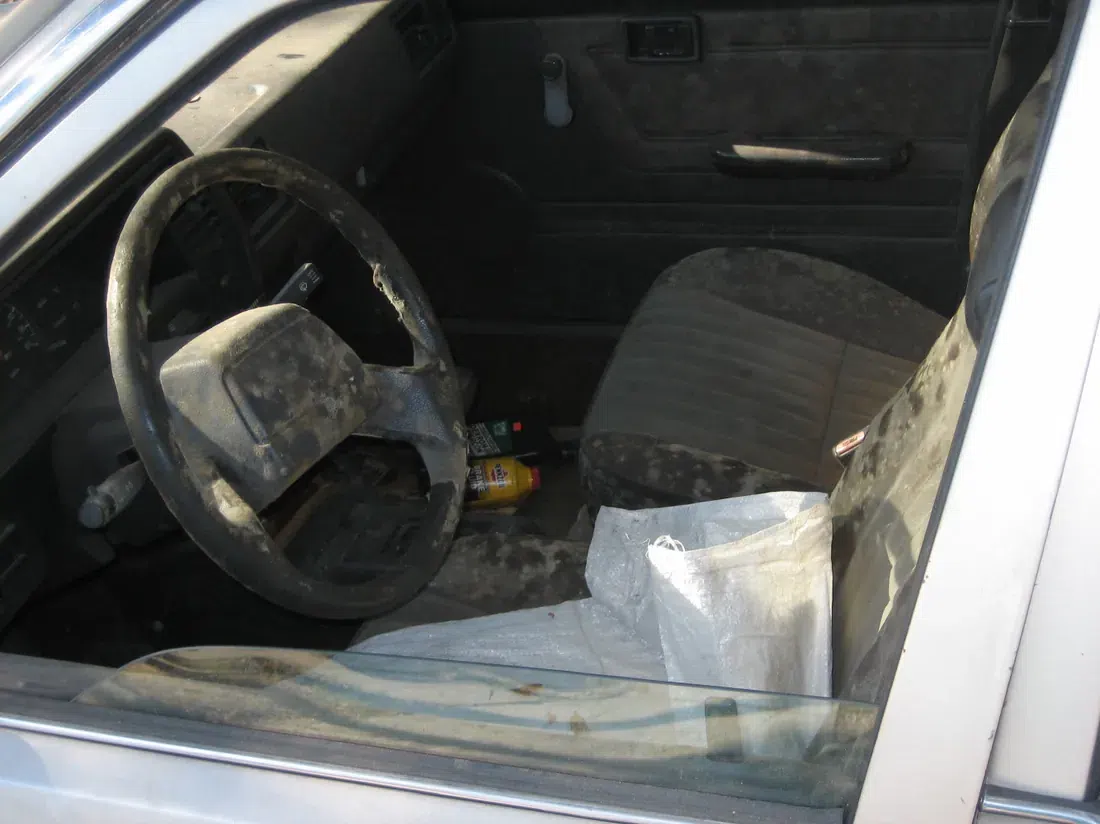
Our flood-damaged car guide explains the warning signs.
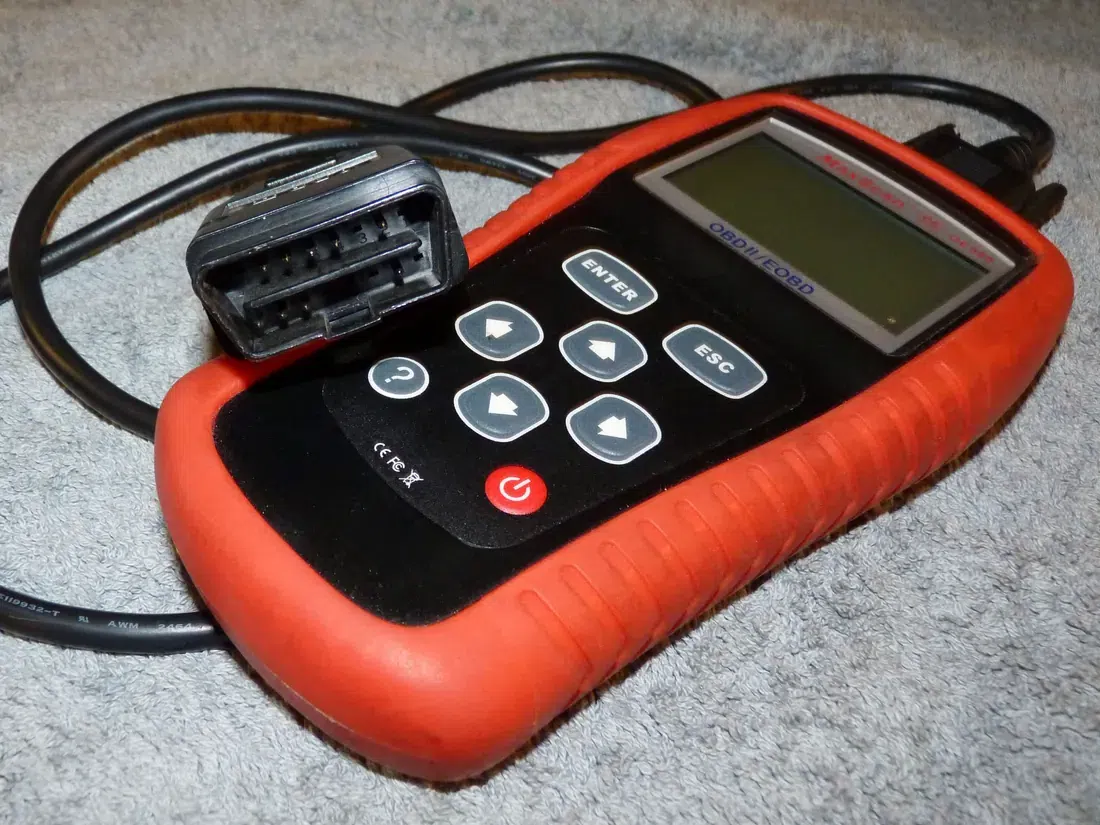
Before buying: remember these 4 checks
- The number on the car matches its documents.
- You have checked the available history and understood any discrepancies.
- An independent mechanic has inspected the car.
- You have separately checked the seller’s identity and the customs status.
If the seller refuses these checks or the numbers do not match, choose another car. The VIN does not prove mechanical condition or customs clearance.
Browse cars for sale in Cotonou.
Photo credits
Photo : Hans Haase / Wikimedia Commons (opens in a new tab) — CC BY-SA 3.0 (opens in a new tab) . Image resized and converted to WebP.
Photo : Infrogmation / Wikimedia Commons (opens in a new tab) — CC BY 3.0 (opens in a new tab) . Image resized and converted to WebP.
Photo : Arp / Wikimedia Commons (opens in a new tab) — CC0 1.0 (opens in a new tab) . Image resized and converted to WebP.