Used-car inspection in Benin: the checklist before you buy
Engine, transmission, chassis, tyres, air conditioning and VIN: use this practical checklist before buying a used car in Benin.
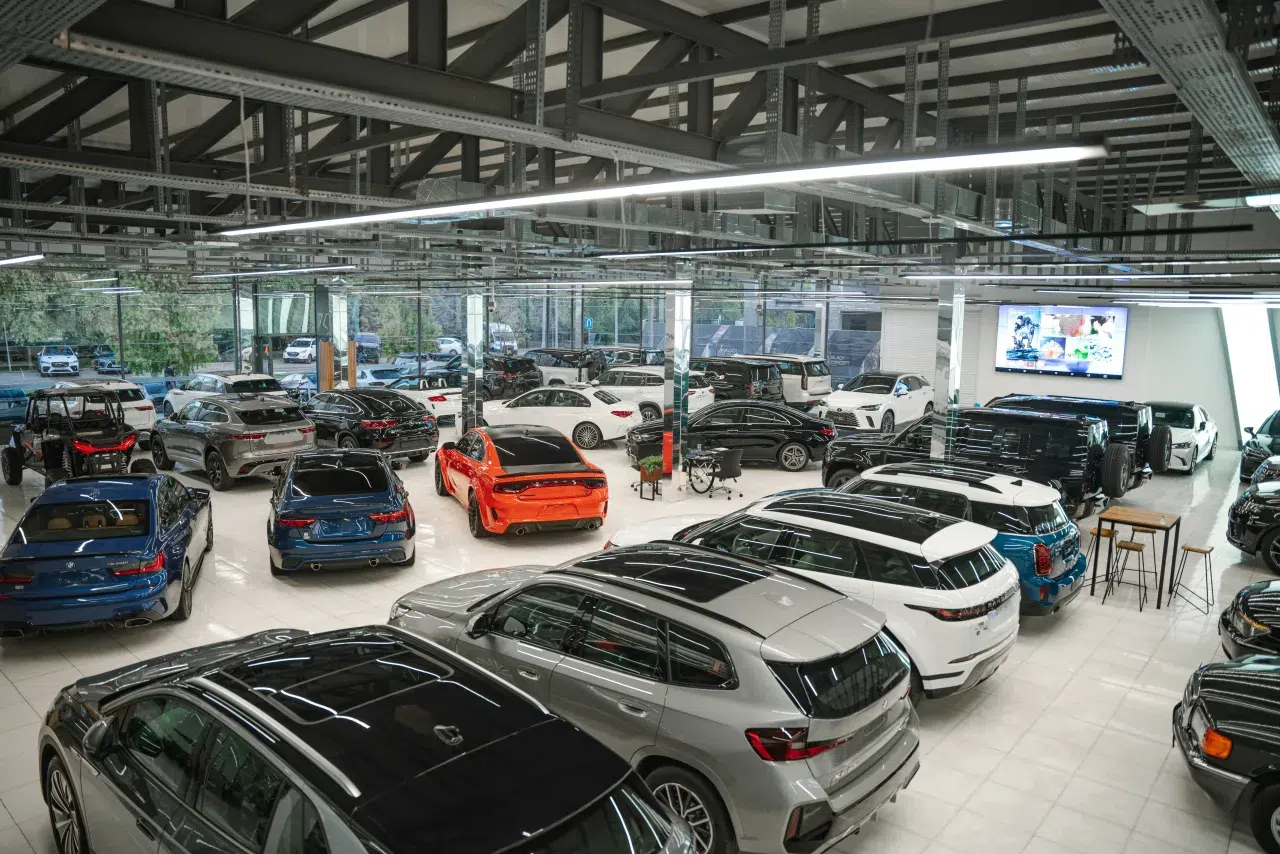
Shiny bodywork is not enough to judge a used car. Before paying, confirm the vehicle’s identity, see how it behaves from a cold start, test its main equipment and have the technical points checked by an independent mechanic.
This checklist helps you organise a vehicle inspection in Benin. It does not replace a professional diagnosis, but it shows you which questions and warning signs deserve closer attention.
Before the appointment: prepare the inspection
Start by comparing several available cars instead of travelling for only one listing. Ask the seller for:
- the vehicle’s exact location;
- its price and customs status;
- the complete VIN or chassis number;
- the declared year and mileage, if known;
- the available documents;
- permission to see a cold start;
- permission to bring an independent mechanic.
Inspect the car in daylight. A torch, light-coloured cloth, phone for photographs and compatible diagnostic scanner can be useful. Ask for the engine not to be started before you arrive: some noises, smoke and starting problems are easiest to detect when cold.
1. Confirm the car’s identity
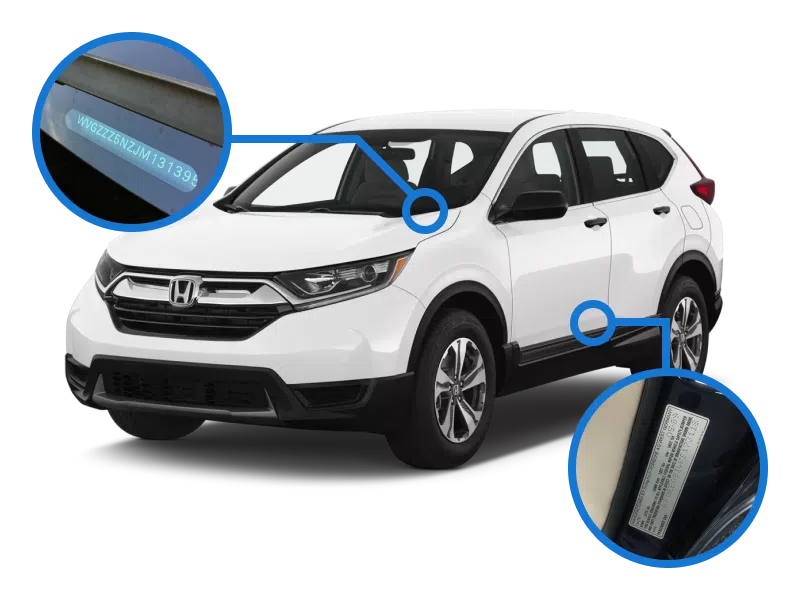
The chassis number, often called the VIN, is the vehicle’s principal identifier. Locate it on the body and compare every character with the documents shown. Also verify the make, model, year, colour and other visible characteristics.
Look for unusual rivets, a distorted plate, irregular characters, grinding marks or fresh paint around the number. If anything appears altered, pause the transaction until a competent professional has checked it.
2. Examine the body and structure
Walk slowly around the car and compare the panels from several angles. Look for:
- differences in paint shade or texture;
- uneven gaps around the bonnet, wings, doors and boot;
- visible welds, creases or repairs;
- corrosion under doors, inside the boot and beneath the vehicle;
- dampness, mud or a persistent smell inside;
- lamps or windows carrying very different date markings.
A repainted panel does not automatically make the vehicle a bad purchase. You need to understand why it was repaired and whether the structure, airbags or alignment were affected. Inspection on a lift is preferable for checking the underside, structural rails and mounting points.
3. Observe a cold engine start
Before starting, check the level and appearance of accessible fluids without opening a hot or pressurised system. Look for leaks, damaged hoses, improvised wiring and signs of a recent repair.
The engine should start without unusual effort. Listen for persistent tapping, whistling or knocking and watch for continuing smoke. Allow the vehicle to reach normal temperature so the mechanic can check idle quality, cooling-fan operation and overheating.
A freshly washed engine bay may simply be clean, but washing can also conceal a leak. Ask why it was cleaned and inspect it again after the road test. Do not make a final diagnosis without the mechanic.
4. Test the transmission, steering, brakes and suspension
With the seller’s permission and in a safe place, test the car first at low speed and then under normal driving conditions. With an automatic transmission, watch for delayed engagement, harsh shifts, slipping or vibration. With a manual, test clutch operation and every gear.
The car should remain stable without pulling strongly to one side. Listen for noises over uneven surfaces and while turning. Apply the brakes progressively and check pedal feel, stability, vibration and the parking brake.
These symptoms may indicate a simple adjustment or an expensive repair. Obtain the diagnosis before negotiating, not after buying.
5. Check tyres, cabin and equipment
All four tyres should be a suitable size and show reasonably even wear. Heavy wear on one side may indicate an alignment, suspension or structural problem. Check the spare wheel and any tools promised with the car.
Inside, turn on the ignition and confirm that important warning lights illuminate and then go out normally. Test:
- air conditioning and ventilation;
- windows, locks and mirrors;
- lights, indicators and wipers;
- camera, sensors and display;
- seat adjustments and seat belts;
- charging ports and audio.
A disabled warning lamp or an untested feature should not be treated as working. Photograph the instrument panel while the engine is running.
6. Treat mileage carefully
Displayed mileage is evidence, not a guarantee. Compare it with wear on the steering wheel, pedals, driver’s seat and controls. When service records or a history report are available, look for a logical progression.
If mileage is not stated or cannot be confirmed, do not invent it. Treat it as unknown and place greater weight on mechanical condition, diagnosis, available history and price. A car with low declared mileage can still be a poor purchase; a more heavily used but properly maintained vehicle may be healthier.
7. Obtain an independent diagnosis
The seller can explain what they know about the vehicle, but the final inspection should protect your interests as the buyer. Choose a mechanic who is independent of the sale. Request a written summary covering:
- observed faults;
- urgent repairs;
- upcoming maintenance;
- separate estimates for parts and labour;
- checks that could not be completed on site.
A diagnostic scanner may reveal fault codes, but no codes does not mean that everything works. Recently cleared codes, mechanical faults without sensors and body repairs require other checks.
Warning signs that should stop the purchase
Step back if the seller refuses to show the VIN, documents, a cold start or an independent inspection. Do the same when the identity of the person receiving payment is unclear, the number differs between the vehicle and documents, or you are pressured to pay before completing checks.
An inconsistency is not automatically fraud, but it must be resolved before any deposit.
Quick checklist before paying
Confirm that you have:
- identified the vehicle and matched its VIN;
- observed a cold start;
- checked the body, underside and signs of dampness;
- tested the engine, transmission, steering, brakes and suspension;
- tried the air conditioning and every important feature;
- assessed tyres, battery and immediate maintenance;
- used an independent mechanic;
- obtained an estimate for repairs;
- confirmed customs status and documents;
- calculated total cost, not only the asking price.
Use the same checklist for every shortlisted car. The best candidate is the one whose condition, identity, paperwork and total cost are clearest.
Useful sources and tools
- Benin Customs — transit procedures (opens in a new tab)
- ANaTT — registration and ownership-transfer services (opens in a new tab)
Procedures and requirements may vary with the vehicle’s status and destination. Confirm the applicable information with the appropriate authorities and qualified professionals before paying.